Existing Patients
(813) 908-8100
New Patients
(813) 474-7201


Being told a tooth needs a root canal can sound intimidating, but modern endodontic care is focused on relief, precision, and comfort. Today’s techniques and instruments allow dentists to treat the inner tissues of the tooth with minimal discomfort while prioritizing the long-term preservation of your natural smile.
At the office of Arevalo Dental Studio, we blend careful diagnostics with advanced clinical methods to guide patients through treatment calmly and confidently. Our team emphasizes patient comfort and clear communication so you understand what’s happening and why each step is important.
Whenever possible, preserving a natural tooth is the best option for long-term oral health. A tooth that remains in place maintains chewing function, supports surrounding teeth, and helps protect the jawbone from the bone loss that can follow extraction. Root canal therapy is a conservative alternative to removal when the inner tissues are damaged but sufficient tooth structure remains.
Root canal treatment has a strong track record for preserving teeth that would otherwise be lost. With careful planning, meticulous cleaning, and appropriate restorative work after the procedure, many treated teeth continue to serve patients for decades. Choosing preservation also saves you from the additional restorative steps often required after extraction, such as bridges or implants.
The decision to treat rather than extract is based on the tooth’s condition, surrounding bone support, and how much healthy tooth remains. Your clinician will explain the rationale and expected outcomes so you can make an informed choice that aligns with your oral-health goals.

Inside every mature tooth sits the dental pulp — a bundle of soft tissue containing nerves and blood vessels. The pulp is essential while the tooth is developing, and even after development it can signal trouble. When decay, cracks, or trauma reach deep enough to affect the pulp, inflammation or infection can follow and often leads to the need for root canal treatment.
Symptoms can vary. Some people experience pronounced pain that interferes with sleep or daily activities; others feel only intermittent sensitivity. In some cases, a tooth can be infected without obvious discomfort and is first identified during a routine exam or on an X-ray.
Because signs range from subtle to severe, paying attention to changes in sensitivity, chewing discomfort, discoloration, or swelling helps ensure problems are caught early. Early evaluation expands your options and often makes treatment simpler and more predictable.
Below are some of the more common warning signs that merit prompt evaluation:
A persistent toothache, especially one that wakes you or intensifies when lying down, often indicates deep inflammation or infection. While not every ache means root canal therapy is required, ongoing pain should be assessed promptly to determine its cause.
Sharp or lingering discomfort when consuming hot or cold foods and drinks can mean the nerve inside the tooth is irritated. Sensitivity that lingers after the stimulus is removed is a particular sign to have the tooth examined.
If chewing or even a light touch causes pain, the structural integrity or the inner tissues of the tooth may be compromised. This kind of pressure-related pain often points to deeper involvement that requires treatment.
A tooth that becomes noticeably darker than its neighbors may have experienced internal changes following trauma or longstanding decay. Discoloration can be a clue that the pulp has been affected and should prompt an evaluation.
Mechanical injuries that damage a tooth’s structure can also reach the pulp. Even small-looking fractures can allow bacteria to enter the inner tooth, creating a pathway to infection and the need for endodontic care.
Swelling, tenderness, or the presence of a draining sore by the gumline often indicates that infection has extended beyond the tooth’s root. These signs require prompt attention to manage infection and preserve surrounding tissues.
Infections near the root can affect the bone that supports a tooth, sometimes causing mobility. Treating the underlying problem and restoring the tooth structure typically improves stability as healing occurs.

Addressing symptoms early often simplifies treatment and reduces the chance of complications. A tooth with developing infection can sometimes be stabilized if treated promptly, whereas delay can allow the problem to spread and require more extensive intervention.
Not all teeth in need of root canal therapy announce themselves with pain; routine exams and radiographs frequently reveal issues before symptoms escalate. When a clinician detects changes at an early stage, they can discuss conservative options and a treatment timeline that protects your overall oral health.
Left untreated, an infected tooth can undermine surrounding bone and periodontal tissues, and create conditions that are more difficult to manage. For that reason, timely evaluation and an appropriate treatment plan are central to preserving function and comfort.
Today’s root canal procedures use refined instruments, magnification, and local anesthetics to make treatment comfortable and precise. Your appointment begins with a careful exam and any necessary imaging to map the tooth’s canals and identify the extent of the issue.
The clinician will isolate the tooth, remove the diseased pulp, clean and shape the internal anatomy, and seal the canals with a biocompatible material. The actual appointment length varies depending on the tooth’s complexity — molars with multiple canals typically take longer than front teeth with a single canal.
While most treatments are performed under local anesthesia, sedation options are available for patients who experience dental anxiety. Your dentist will review these choices and help you select the safest, most comfortable approach for your needs.
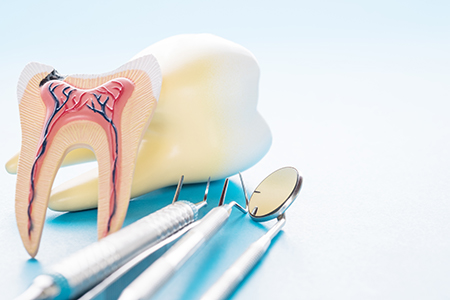
After your root canal, it’s normal to experience some sensitivity as the surrounding tissues heal. Discomfort is usually mild to moderate and diminishes over days; your dentist will recommend appropriate measures to manage pain and support recovery.
Because a tooth that has had root canal therapy can be more prone to fracture until it is permanently restored, timely placement of a crown or other protective restoration is often recommended. This final restoration rebuilds strength and helps the tooth endure normal chewing forces for years to come.
Good oral hygiene and routine dental visits remain important after treatment. Keeping the area clean and watching for any new symptoms helps ensure the best possible long-term outcome for the treated tooth.
Anesthesia can leave lips, cheeks, and tongue numb for a short period. Avoid hot drinks and be cautious while eating until sensation returns to reduce the risk of accidental injury.
Mild soreness after the procedure is common and typically resolves within a few days. Over-the-counter pain relievers or medications recommended by your dentist will help control discomfort while tissues settle.
If antibiotics are prescribed to address infection or lower risk, it’s important to complete the full course as directed to support healing and reduce the chance of recurrent problems.
Teeth that have received endodontic treatment are more susceptible to fracture until they are fully restored. Chew on the opposite side when possible and avoid hard or sticky foods until your permanent restoration is in place.
Continue to brush and floss carefully around the treated tooth. Good home care supports healing and helps prevent future problems in adjacent teeth and gum tissue.
To protect the longevity of the treated tooth, follow through with recommended restorative steps, such as crown placement. Restorative completion restores function and reduces the risk of complications.
With attentive follow-up and proper restoration, a tooth treated with root canal therapy can remain functional for many years, often for the remainder of a patient’s life. Our goal is to deliver care that resolves pain, preserves structure, and returns you to comfortable function.
At the office of Arevalo Dental Studio, we are committed to providing clear explanations, gentle treatment, and thoughtful follow-up so you feel supported throughout the process. Contact us for more information or to schedule an evaluation if you are experiencing symptoms or have concerns about a particular tooth.

A root canal procedure is the best way to save a tooth that has been damaged by decay or injury and preserve your natural smile. The alternative is an extraction and treatment to replace the tooth. While at times a tooth is non-restorable and an extraction is the only option, when possible, it’s best to try and save your natural tooth. With proper care, a tooth with root canal therapy can serve your smile well for many years to come.
Despite lingering myths from before the age of modern dental anesthesia and technology, having a root canal procedure today is as routine and comfortable as visiting the dentist for a filling. While the procedure is performed under local anesthesia with your tooth completely numbed, we can also discuss options in dental sedation.
Whether the symptoms of a dental infection subside after a course of antibiotics, a draining abscess provides you with some temporary pain relief, or a tooth with radiographic evidence of pathology has not yet developed symptoms, it’s essential, before an infection worsens or occurs, to have a root canal procedure performed. In this way, the tooth can be disinfected, filled, and sealed to protect your health and avoid further problems.
If you have sustained a dental injury, have a toothache, jaw pain, swelling, or are experiencing any other unusual and uncomfortable oral symptoms, contact our office immediately for care. Dental problems that have not been evaluated and treated can significantly worsen, producing more severe damage and consequences for the involved teeth, your oral health, and even your overall wellbeing. Once you get in touch with our office, our friendly and compassionate office team will get you in for care at your earliest convenience.
While some root canal procedures can be completed in one visit, others may involve 2 or 3 appointments. How long it takes depends on various factors, including active infection, the number of canals in the tooth, and the tooth’s location or anatomy.
With a success rate that exceeds 95%, root canal therapy remains the most effective procedure to save a tooth in which the inner vital tissues have been damaged. However, as with all healthcare procedures, there are a small percentage of cases where the teeth become symptomatic a second time. The good news is that many of these teeth can still be saved with root canal retreatment or a minor surgical procedure known as an apicoectomy.
The best ways to maintain a tooth with root canal therapy are to get the proper restoration required to rebuild and protect the tooth, maintain proper oral hygiene, and schedule appointments for routine dental checkups and care.
Saving a tooth with root canal therapy is a wise investment that, in the long run, is typically less costly and invasive than having the tooth extracted and replaced with a fixed bridge or implant. As far as the exact cost of care, it can vary depending on which tooth is being treated. Many dental insurance plans provide coverage for root canal therapy. At the office of Arevalo Dental Studio, we do our best to optimize your dental benefits and minimize your out-of-pocket expenses. Our staff will answer all your questions about the cost of care and discuss all your payment options.
At the office of Arevalo Dental Studio, we use the latest technology and most effective methods of care to provide precise and gentle care. Our reputation for excellence is based upon a consistent record of achieving successful treatment outcomes while providing prompt, stress-free, and convenient treatment for every type of dental need.
A root canal, also called endodontic therapy, is a treatment that removes infected or inflamed tissue from inside a tooth to relieve pain and protect surrounding structures. The procedure preserves the outer tooth by addressing problems in the dental pulp, the soft tissue containing nerves and blood vessels. By cleaning, shaping, and sealing the internal canals, clinicians stop the spread of infection and restore function.
Common reasons for root canal therapy include deep decay, cracks that expose the pulp, or trauma that damages the inner tissues. Without treatment, infection can spread to the supporting bone and adjacent teeth, leading to more complex problems. Appropriately timed root canal treatment often allows patients to keep their natural tooth rather than move to extraction and replacement.
A modern root canal begins with a thorough examination and imaging to map canal anatomy and assess the extent of disease. Local anesthesia is used to numb the tooth, and the clinician isolates the area with a rubber dam to maintain a clean field. Using magnification and precision instruments, the dentist removes diseased pulp and shapes the canals to receive a filling material.
After cleaning, canals are sealed with a biocompatible material to prevent reinfection and a temporary restoration is placed if needed. Most teeth then require a permanent restoration, often a crown, to restore strength and function. Your dentist at the office of Arevalo Dental Studio will explain the expected timeline and coordinate any follow-up restorative care.
Thanks to local anesthetics and modern techniques, most patients experience little pain during the actual procedure. Clinical tools such as rotary instruments and magnification improve precision and reduce treatment time, which enhances patient comfort. Sedation options are available for patients with significant dental anxiety to help them remain relaxed during treatment.
Some soreness or mild inflammation is common for a few days after treatment and typically responds to over-the-counter pain medications or prescribed remedies. Cold or warm compresses and gentle oral hygiene help manage symptoms while tissues heal. If severe or worsening pain, swelling, or fever develops, contact your dental office promptly so the situation can be reassessed.
Before your appointment, provide your dentist with an updated medical history and a current list of medications and allergies. If you are taking blood thinners or have a medical condition that affects healing, your clinician may coordinate with your physician. Eat a normal meal unless your provider advises otherwise, especially if you plan to use oral sedation.
Arrange transportation if you will receive sedation that impairs driving or coordination. Bring a list of questions and any recent dental X-rays if they were taken elsewhere to help the clinician plan care efficiently. Understanding the recommended steps and expected recovery helps reduce anxiety and supports a smooth appointment.
After a root canal, mild soreness and tenderness around the treated tooth and adjacent tissues is normal as inflammation settles. Discomfort typically peaks within the first 48 hours and then improves; most patients return to normal activities within a day or two. Follow your dentist's instructions for pain control and any prescribed antibiotics to support healing.
Avoid chewing on the treated tooth until a permanent restoration is placed to reduce the risk of fracture. Maintaining good oral hygiene, including gentle brushing and flossing around the area, helps prevent recurrent problems. Keep scheduled follow-up visits so your clinician can confirm healing and complete any needed restorative work.
A tooth that receives proper endodontic treatment and timely restorative care can remain functional for many years, often for the rest of a patient's life. Long-term success depends on the quality of the root canal procedure, the final restoration, and the patient's oral hygiene and regular dental care. Posterior teeth with large restorations commonly benefit from crowns to protect against fracture and improve longevity.
Periodic exams and X-rays allow the dentist to monitor the treated tooth and detect any changes early. If new symptoms or radiographic changes appear, retreatment or other interventions may be recommended to preserve the tooth. With attentive care, many root canal-treated teeth perform well for decades.
Extraction may be the recommended option when a tooth has insufficient healthy structure to support restoration or when a vertical root fracture is present. Severe periodontal bone loss, uncontrolled infection despite appropriate treatment, or anatomic limitations can also make extraction preferable. Your clinician will weigh the long-term benefits and risks of saving the tooth against the outcomes of extraction and replacement.
Keeping a natural tooth generally preserves chewing function and jawbone health, so extraction is considered carefully and selectively. The dentist will discuss all viable options, including restorative steps after extraction such as implants or bridges, so you can make an informed decision. Shared decision-making based on oral health goals and clinical findings ensures the chosen path aligns with your needs.
If a previously treated tooth develops new symptoms or shows radiographic signs of persistent infection, nonsurgical retreatment is often the first option. Retreatment involves removing the original filling material, re-cleaning and shaping the canals, and resealing them to address remaining bacteria or missed anatomy. Advanced imaging and magnification improve the clinician's ability to locate hidden canals and treat complex anatomy.
When retreatment is not feasible or fails to resolve the issue, an endodontic surgery called an apicoectomy can remove the infected root tip and seal the end of the root. In some cases, extraction followed by appropriate tooth replacement may be the most predictable long-term solution. Your dentist will explain the probable outcomes and help determine the most appropriate next steps based on diagnostic findings.
At Arevalo Dental Studio, we use contemporary endodontic protocols, including digital imaging, magnification, and strict isolation techniques to improve outcomes and patient comfort. Our team emphasizes clear communication so you understand the diagnosis, the proposed procedure, and the follow-up steps required for lasting success. We also review medical history, anesthesia options, and any special needs to ensure care is safe and individualized.
Follow-up after treatment includes monitoring healing with exams and radiographs, and coordinating restorative care to protect the treated tooth. If at any time you experience unexpected symptoms, the practice encourages prompt contact so clinicians can reassess and intervene if necessary. This structured approach helps patients regain comfort and preserve natural teeth whenever possible.
Seek prompt dental evaluation for persistent toothache, heightened or lingering temperature sensitivity, swelling near a tooth, or unexplained darkening of a tooth. Even if pain is absent, routine exams and X-rays can reveal infections or changes that benefit from early treatment. Early assessment expands treatment choices and often reduces the complexity of care.
If you notice a change in bite, increased mobility of a tooth, or drainage from the gumline, contact your dentist promptly to prevent spread of infection. Timely diagnosis and a coordinated treatment plan increase the chances of preserving the natural tooth and avoiding more invasive procedures. Regular dental visits and good home care remain the cornerstone of preventing pulp problems and catching issues early.